Table of Contents
Introduction
Brain-Computer Interfaces (BCIs) sound like something out of science fiction, but they’re becoming a reality much faster than most people expect. Companies like Neuralink and Kernel are working on technology that directly connects the human brain to machines, enabling people to control devices with their thoughts, restore lost functions, and even enhance memory or cognitive performance.
But behind the futuristic promises lies a darker side that few are talking about. BCIs don’t just offer control—they can also take it away. When machines have direct access to our thoughts, emotions, and decisions, the question arises: Who really controls your mind—you or the machine?
This article explores the hidden risks of BCIs, including privacy concerns, mental manipulation, and ethical challenges, while asking the critical question: Are we ready to let technology inside our minds?
How Brain-Computer Interfaces Work
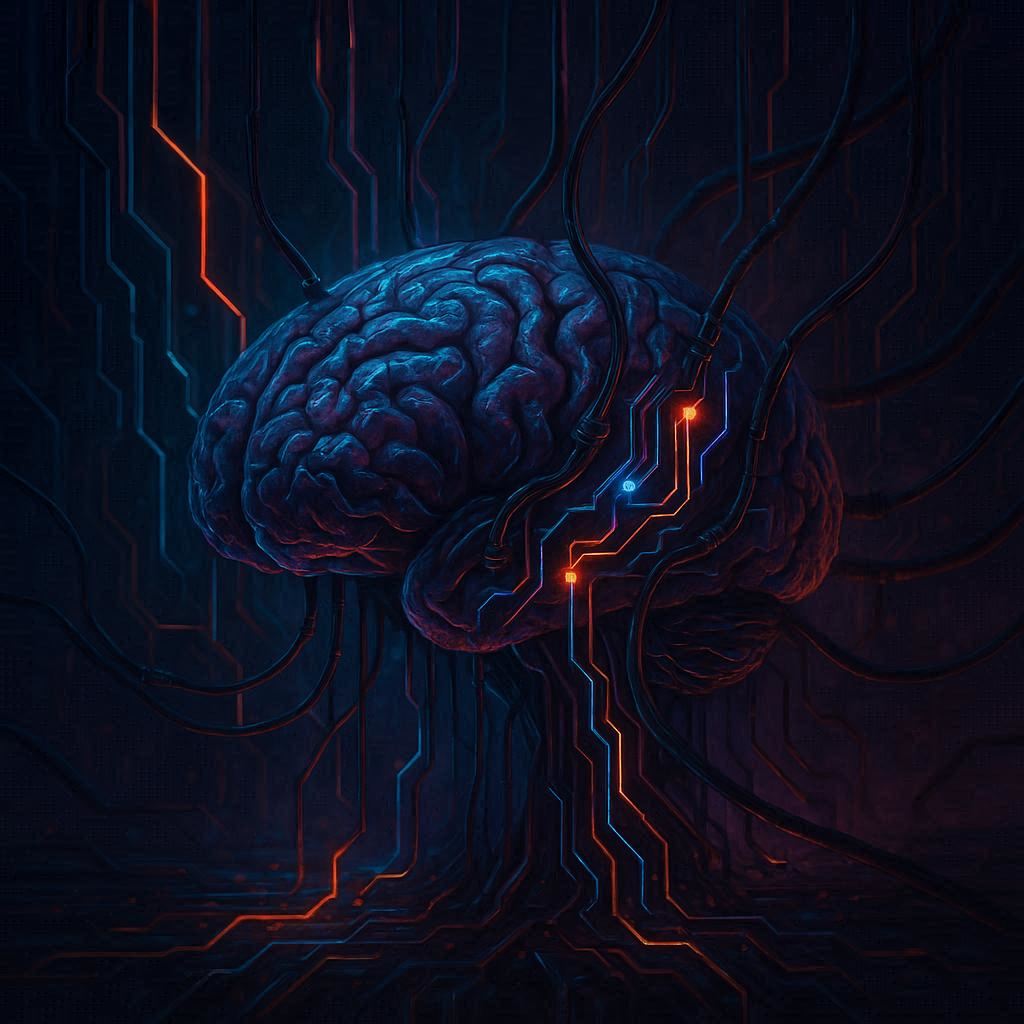
Brain-Computer Interfaces (BCIs) function by establishing a direct communication pathway between the brain and external devices. At the core of this process are electrodes that detect neural activity. These electrodes can be placed on the scalp (non-invasive BCIs) or implanted directly into brain tissue (invasive BCIs). Once neural signals are recorded, they are translated into digital commands using machine learning algorithms.
For example, if a person thinks about moving their hand, the BCI can interpret that neural signal and command a robotic arm to move. Similarly, BCIs can help patients with paralysis type out words, control wheelchairs, or interact with computers.
While this technology opens new frontiers for healthcare, communication, and even entertainment, it also raises questions about who controls the data, how secure it is, and what happens if the system is hacked or misused. This dual nature makes BCIs both revolutionary and risky.
Cognitive Freedom and Privacy Concerns
One of the most overlooked dangers of brain-computer interfaces (BCIs) is the erosion of cognitive freedom. Unlike traditional digital surveillance, BCIs have the potential to monitor and even influence thought patterns directly. Imagine advertisers accessing not just your browsing history but your brain signals—knowing what excites you, what frightens you, and what persuades you to make a purchase. This creates an entirely new market for neurodata, raising urgent questions about ownership, consent, and misuse.
Without strict regulations, the line between personal freedom and external control could blur dangerously. Cognitive privacy is no longer just about what you type or say—it’s about protecting the last sanctuary of autonomy: your thoughts.
Ethical and Legal Dilemmas of BCIs
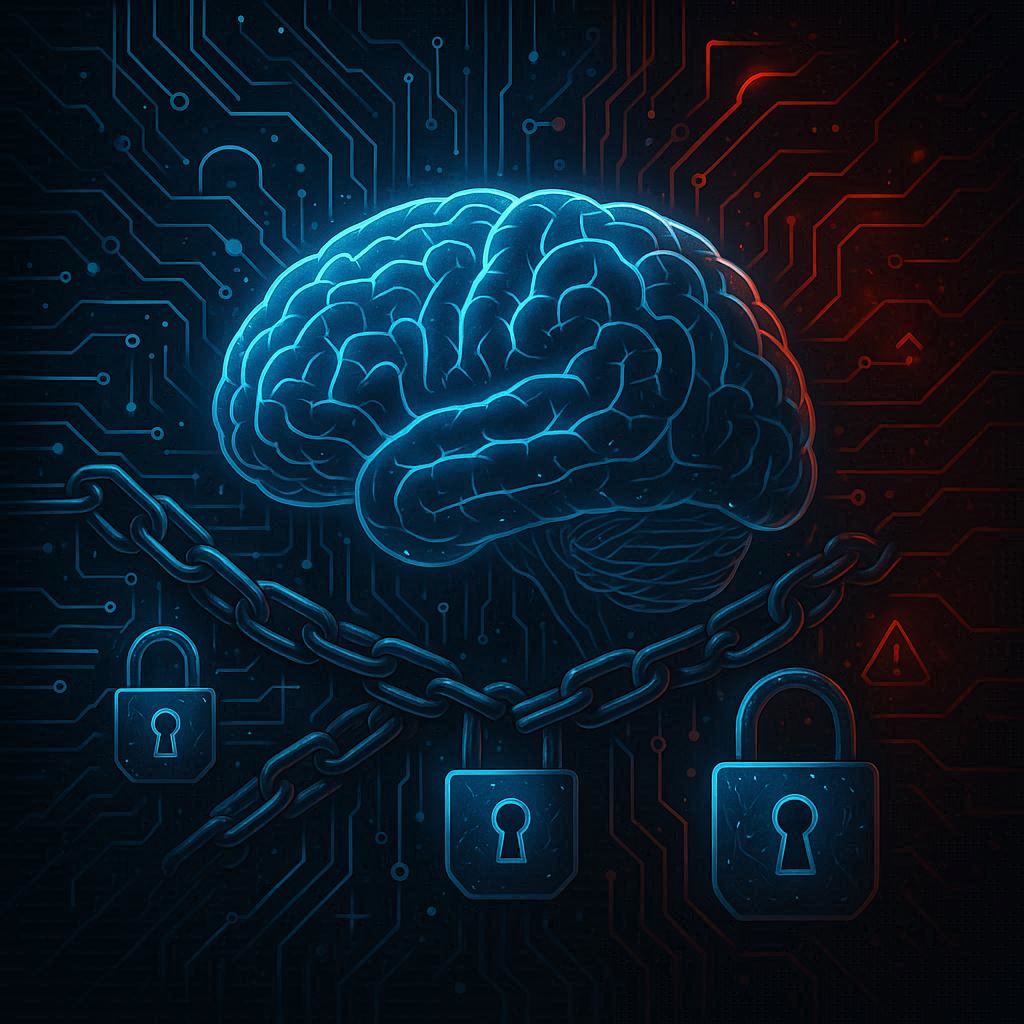
As BCIs (Brain-Computer Interfaces) become more advanced, they don’t just raise scientific or technical challenges — they open up complex ethical and legal dilemmas. Unlike traditional technologies, BCIs work with the most private and sensitive part of human existence: the mind itself.
1. Who Owns Your Thoughts?
If a company records brainwave data through a BCI, does that data belong to the user, the company, or both? Some argue that brain data should be considered personal intellectual property, protected just like written or spoken words. However, current laws in most countries don’t provide clear protections. This leaves a dangerous legal grey zone where corporations could claim ownership of a person’s neural patterns.
2. Consent and Transparency
True consent becomes complicated with BCIs. For example, what if a device can detect subconscious emotions or hidden memories without the user realizing it? Even if someone “agrees” to use a BCI, are they really consenting to the extraction of data that they themselves are not fully aware of? Transparency is key, but most companies rarely explain exactly what is being collected and how it’s being used.
3. Manipulation vs. Free Will
The scariest possibility is not just reading thoughts, but influencing them. A malicious actor could nudge decisions, alter mood states, or even plant suggestions. This challenges the very foundation of human autonomy and free will, raising questions that philosophy and law are not yet prepared to answer.
4. Global Regulation Gap
While some regions, such as the European Union, have started discussions on neuro-rights, there is still no global framework. Without coordinated regulation, companies may exploit legal loopholes by operating in countries with weaker protections — similar to how some tech giants avoid strict data laws today.
Psychological & Social Implications of BCIs
Brain-Computer Interfaces don’t just affect individual health and privacy—they reshape the very fabric of society. When machines can directly interact with the brain, the line between human thought and machine influence begins to blur. This has deep psychological and social consequences.
On a personal level, BCIs could alter how people perceive themselves. If thoughts, emotions, or memories can be influenced or even manipulated, questions arise: What remains truly “ours” in our minds? Studies already suggest that even subtle nudges in neural activity can change mood or decision-making. If corporations or governments gain access to these capabilities, it opens the door to large-scale psychological conditioning.
Socially, BCIs could create new classes of inequality. Those with advanced neural implants may gain superhuman memory, instant access to information, or enhanced creativity, while others remain “unenhanced.” This could widen societal divides, not just in wealth but in raw cognitive ability. Imagine job markets where only those with upgraded brains qualify.
Another risk lies in social conformity and manipulation. If advertising, propaganda, or political messaging can bypass skepticism and directly shape neural responses, democratic systems could be undermined. The psychological autonomy we take for granted—our ability to critically think, doubt, or resist—may erode in a world where external forces literally rewire our minds.
Ultimately, the social and psychological risks of BCIs go far beyond personal health—they challenge the very principles of individuality, equality, and freedom of thought.
Privacy, Security, and Data Ownership Challenges
When you connect your brain to a computer, you’re not just sharing information—you’re potentially handing over your most personal and private data. Unlike a password or a fingerprint, brain data can reveal your thoughts, emotions, and even subconscious patterns.
The security risks here are staggering:
- Data Breaches – If hackers gained access to raw brain signals, they could potentially reconstruct thoughts, behaviors, or even manipulate mental states.
- Unauthorized Monitoring – Governments, corporations, or malicious actors might use BCIs to track emotions and intentions without consent.
- Loss of Autonomy – If neural devices can send signals back into the brain, there’s the terrifying possibility of external influence over decision-making.
Equally important is the issue of data ownership. Who truly owns your brain data—the individual, the company making the device, or the medical institution processing it? Current data protection laws like GDPR and CCPA are not fully prepared to regulate BCIs. This legal gray area creates opportunities for exploitation, especially when brain data could be used for targeted advertising, political manipulation, or surveillance.
In the long run, privacy in the age of BCIs isn’t just about protecting data; it’s about safeguarding personal freedom and cognitive sovereignty.
Conclusion
Brain-Computer Interfaces hold incredible promise—from restoring mobility and treating neurological disorders to enhancing cognition and communication. However, they also carry risks that are unparalleled in the history of technology. BCIs touch the most private space in human life: the mind itself.
From privacy breaches and hacking to manipulation, ethical dilemmas, and societal inequality, the dangers are real and multifaceted. As we move toward a future where thoughts can be read, influenced, or even owned, society must carefully weigh progress against protection.
Ultimately, BCIs are not just a technological revolution—they are a test of humanity’s ability to balance innovation with ethics, autonomy, and freedom. The question remains: who truly controls your mind?
FAQs
1. What is a brain-computer interface (BCI)?
A BCI is a system that creates a direct communication pathway between the human brain and an external device, allowing users to control machines with their thoughts.
2. Are brain-computer interfaces safe?
Non-invasive BCIs are generally low-risk, but invasive BCIs involve surgical implantation and can pose physical, neurological, and psychological risks.
3. Can BCIs be hacked?
Yes. Because BCIs transmit neural signals digitally, they are susceptible to cyberattacks, which could potentially manipulate thoughts or emotions.
4. What ethical concerns exist around BCIs?
Key concerns include cognitive privacy, consent, mental manipulation, societal inequality, and the potential loss of autonomy.
5. How can society protect against BCI risks?
Through strong cybersecurity measures, ethical regulations, clear laws on data ownership, and public discourse about neuro-rights and responsible innovation.